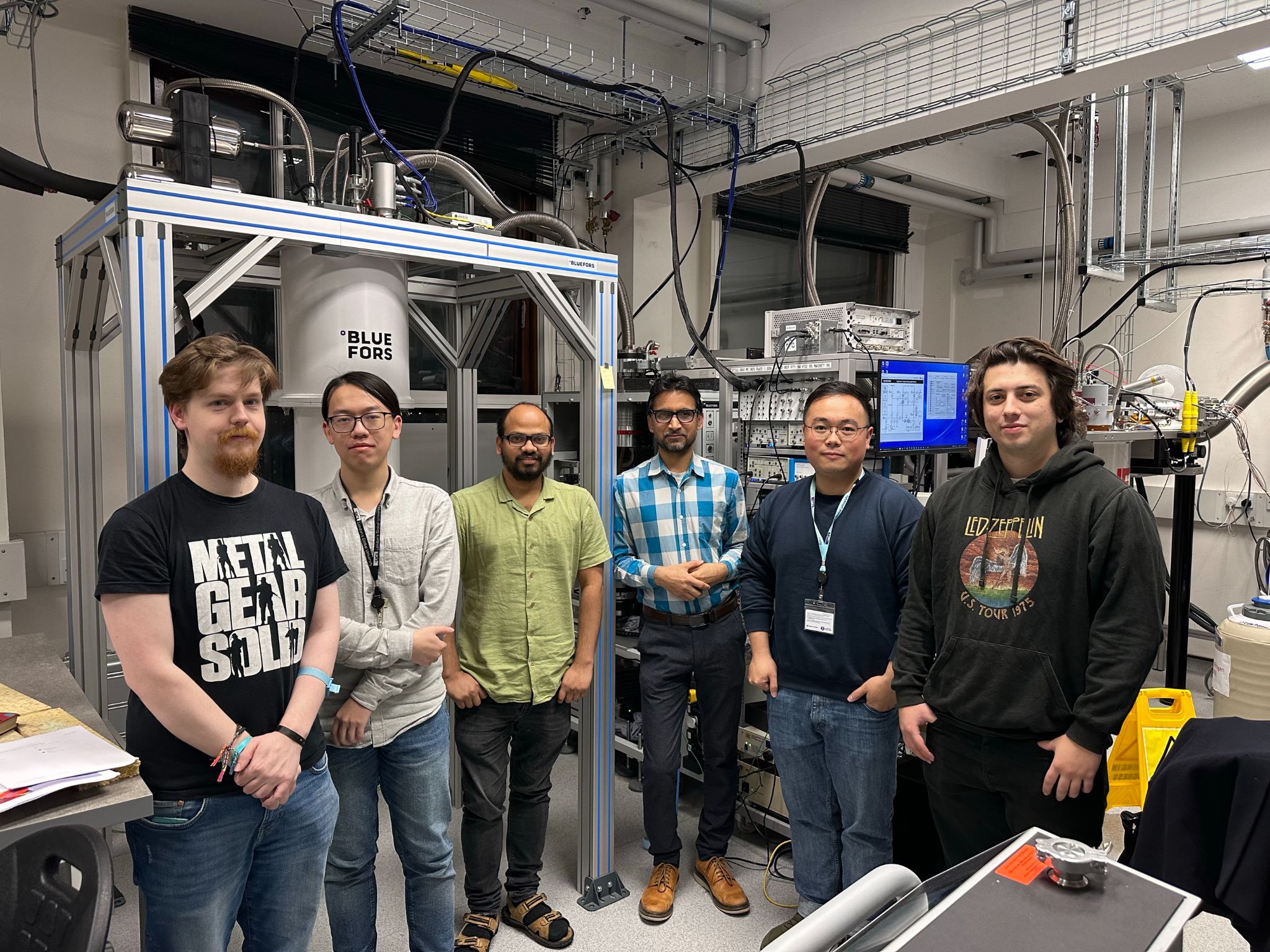
From left, Joshua Coop, Yingshi Duo, Vivek Kumar, Sanjeev Kumar, Mandun Fu and Akin Turkkokmaz
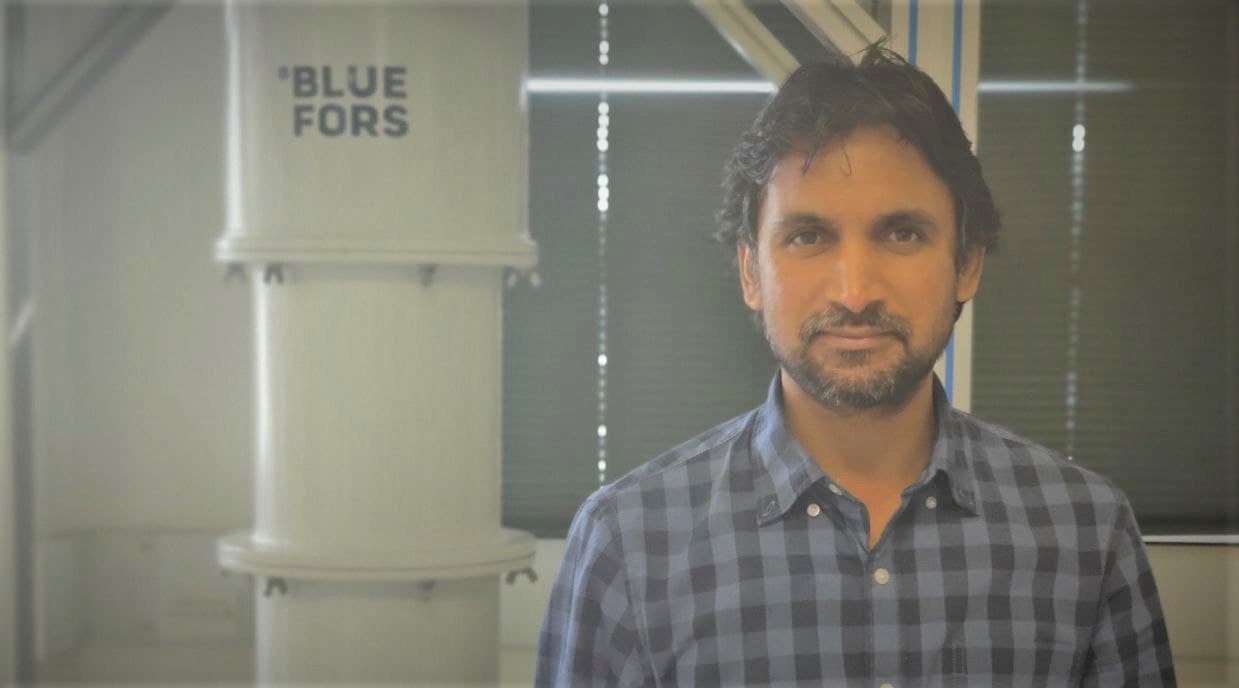
Sanjeev Kumar
UKRI Future Leaders Fellow, Assoc Professor of Quantum Technologies
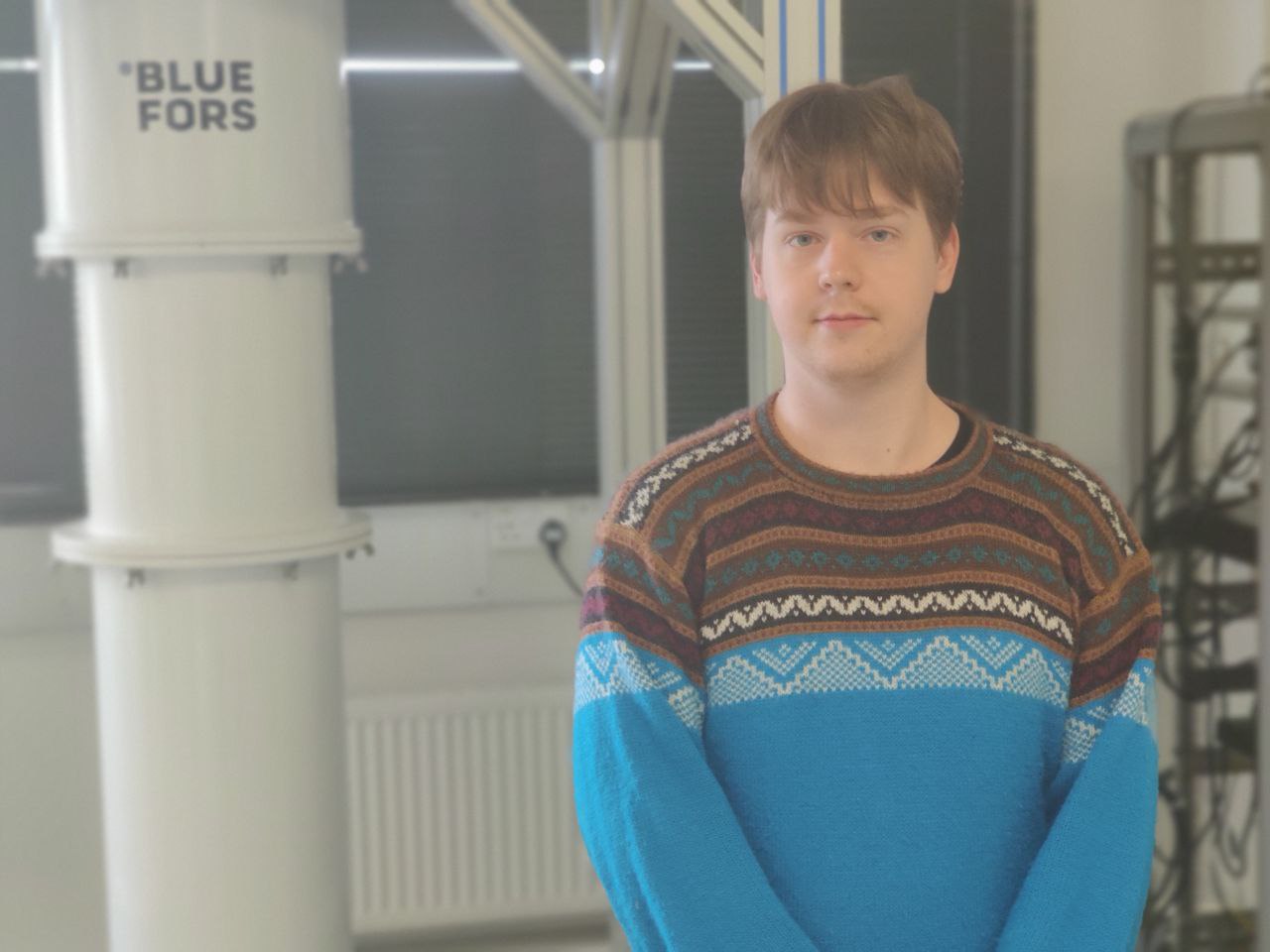
Joshua Coop
I received my MEng in Electronic and Electrical Engineering from the University of Bristol in 2019. My final year project during my undergraduate was utilising group theory to simplify the DFT calculations for tertiary and quaternary GaAs compounds. I highly enjoyed it and decided to move towards a Physics PhD. I joined the Quantum engineering group in 2021, and I’m now finalising my studies. Over my tenure, I have developed advanced device fabrication and measurement skills. My research interests are in interaction effects in one and zero-dimensional systems. In my free time, I enjoy getting friends together and playing games, and immersing myself in the stories of manga.
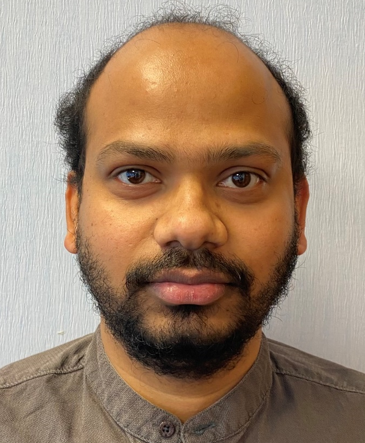
Vivek Kumar
I am a Research Fellow working in the field of Quantum Condensed Matter Systems. I received my PhD in Physics in 2019 from the Technical University of Dresden, Germany, in collaboration with the Max Planck Institute for Chemical Physics of Solids, Dresden. Following my doctoral studies, I pursued postdoctoral research at the Technical University of Munich from 2019 to 2023 and joined University College London in 2023. My previous research focused on magnetic skyrmions, topological spin textures, and strongly correlated electron systems.
My current research focuses on correlation effects and emergent phenomena in electrostatically defined one-dimensional (1D) quantum wires. In particular, I investigate interaction-driven physical phenomena such as fractional states, Wigner crystallisation, and band hybridisation. The work is primarily based on high-mobility GaAs/AlGaAs single- and bilayer devices, where tunable electrostatic confinement achieved through advanced device architectures enables controlled access to different interaction regimes.
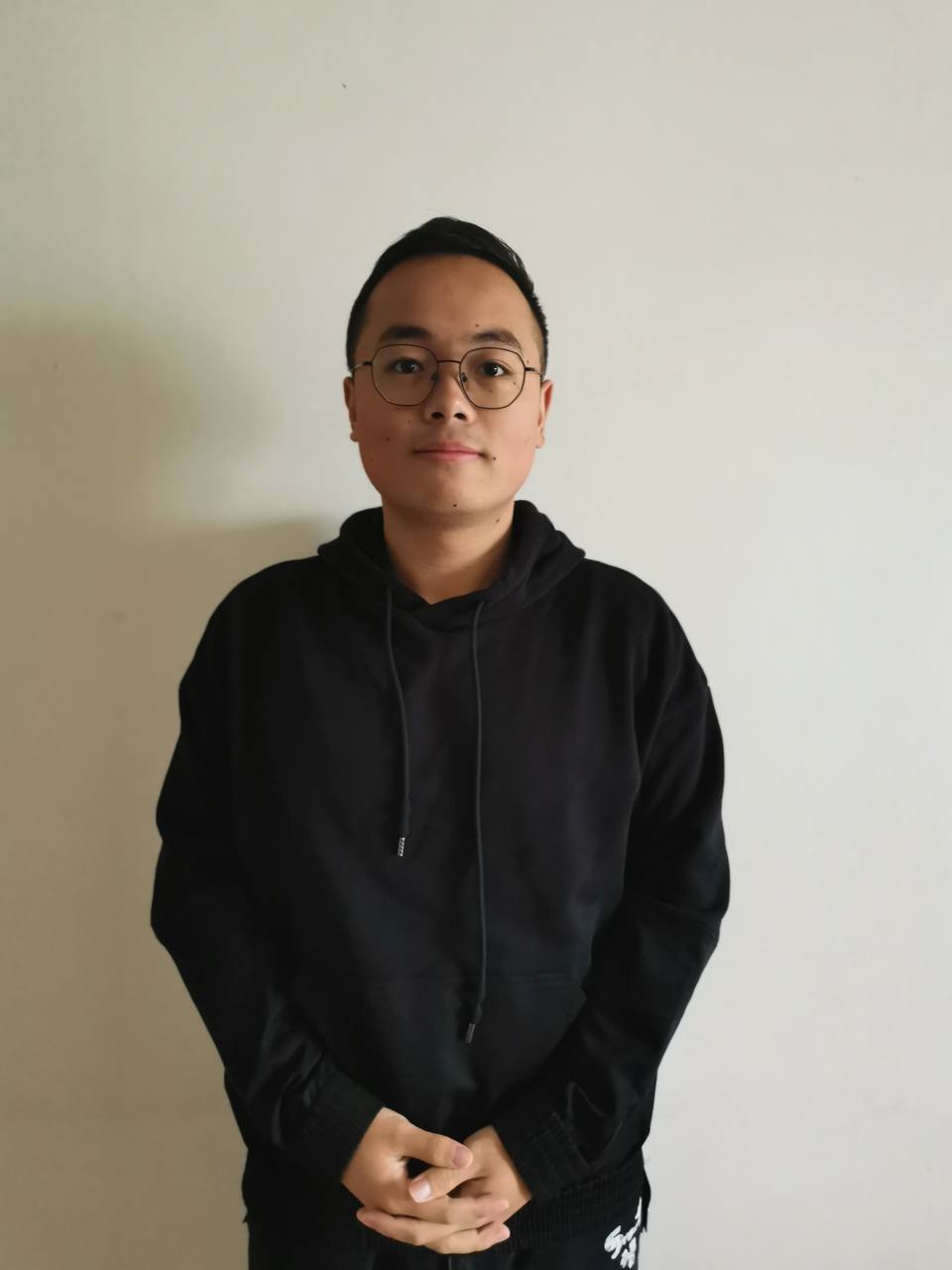
Mandun Fu
I joined the Quantum Engineering Lab in October 2022. My research focuses on many-body effects in GaAs/AlGaAs bilayer 2DEG systems using low-temperature magnetotransport measurements. These systems provide a tunable platform for studying how interlayer electrostatic coupling, density imbalance, spin-dependent energy gaps, and layer-resolved incompressibility influence quantum Hall transport. My current work explores the 7/3 fractional quantum Hall state in uncoupled bilayers, where interlayer tunnelling is negligible but the two layers remain coupled through capacitance and shared Ohmic contacts.
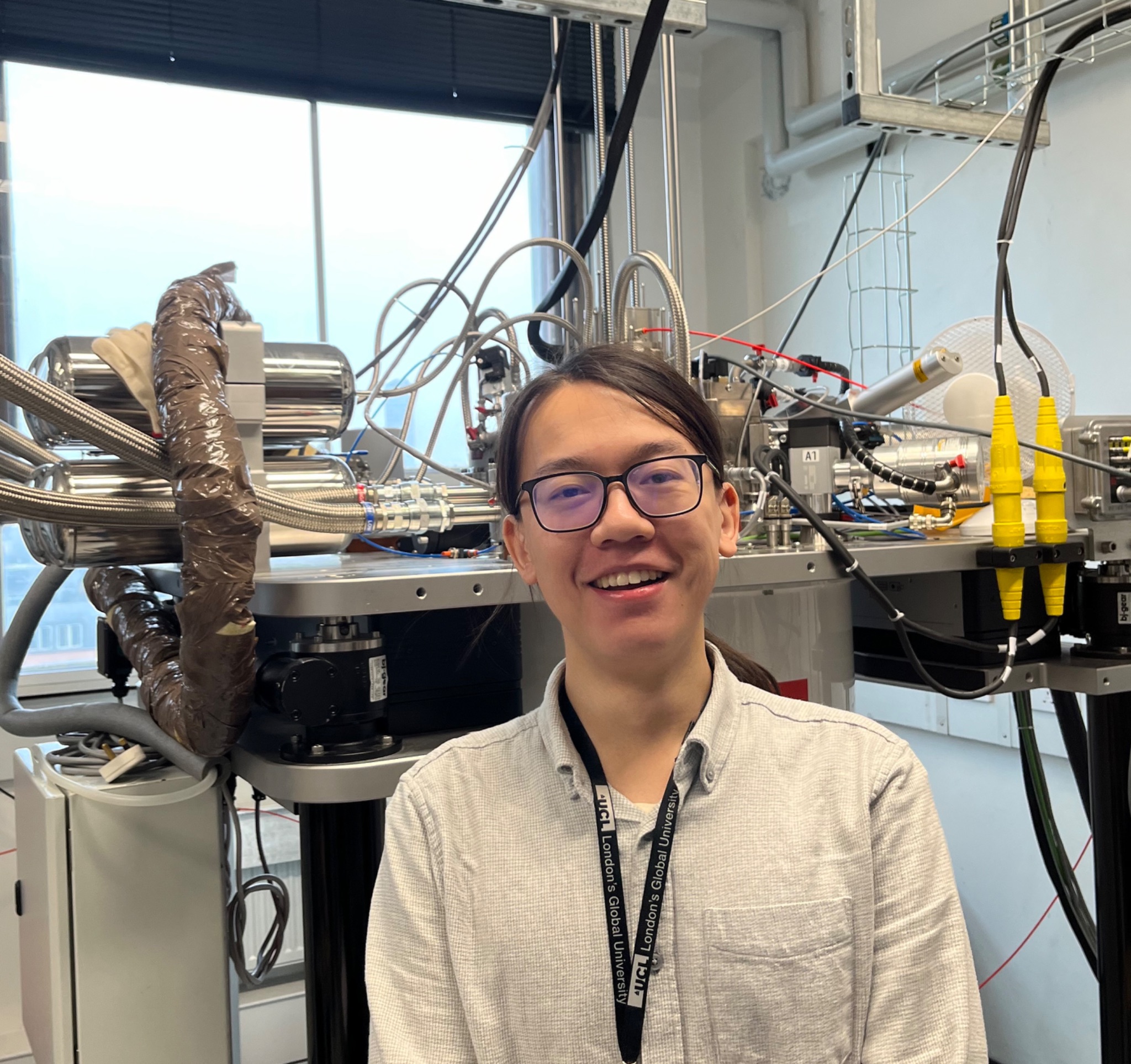
Yingshi Duo
I joined the QEL group in January 2023 after graduating from Imperial College London as a Master's student. Before that, I studied as an undergraduate student in the University of Manchester. During my undergraduate and postgraduate studies, my subject was Materials Science and Engineering, and I focused on the research of nanomaterials. After joining the group, I am studying the electron transport in interacting one-dimensional (1D) quantum wires and the magnetoresistance in low-density 1D channels.
Akin Turkkorkmaz
I received my MEng degree in Electrical and Electronics Engineering from UCL in 2024 and joined the QEL group as a PhD student in the same year. Towards the end of my MEng degree, I developed an interest in computational methods in condensed matter physics, particularly in interacting low-dimensional quantum transport systems. The anomalous effects observed in interacting low-dimensional systems can lead to further understanding of the fundamental physics alongside potential use in quantum technologies, making them extremely interesting to study. My previous work explored the effects of disorder on conductance quantisation in one-dimensional ballistic electron systems utilising tight-binding models. The current explanations and understanding of fractional quantisation (Wigner and Luttinger physics) under zero magnetic field are still developing. I am currently interested in the search for methods that could further our understanding of anomalous many-body phenomena in interacting quantum wires and the search for alternative explanations for the observed fractional structures in one-dimensional quantum wires. Outside of my studies, I enjoy music and basketball.